Traeume aus Papier


The images of the fall of the Wall have become deeply ingrained in the collective memory of the German people. The dreary, gray GDR suddenly burst into color, almost like in „The Wizard of Oz“—from then on, it was Technicolor.
Yet these simple images also raise questions within me. Questions about the individual experiences and feelings of East Germans at that time. Questions about my own background and the dissonance between my experiences as a “Wende-child” and the experiences of other East Germans at the time the Wall fell. For nearly three decades, the SED regime denied the people of East Germany access to the West. It was a moving and, above all, peaceful act of liberation that East Germans achieved through their own efforts. The “welcome allowance” served as financial support granted by the Federal Republic of Germany to every GDR citizen entering the country, funded from the federal budget. It was introduced in 1970 at a rate of 30 DM and increased to 100 DM in 1987.
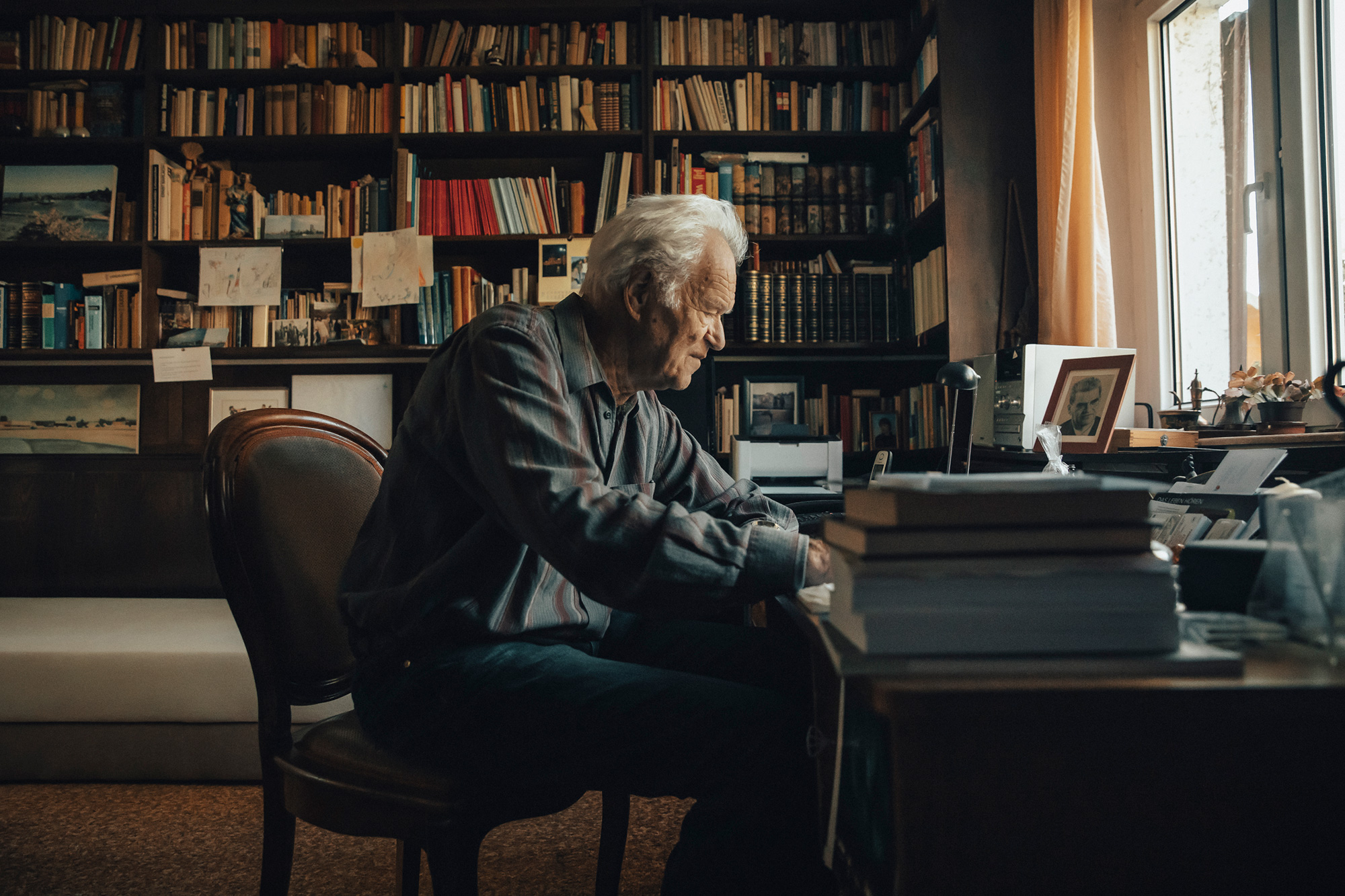
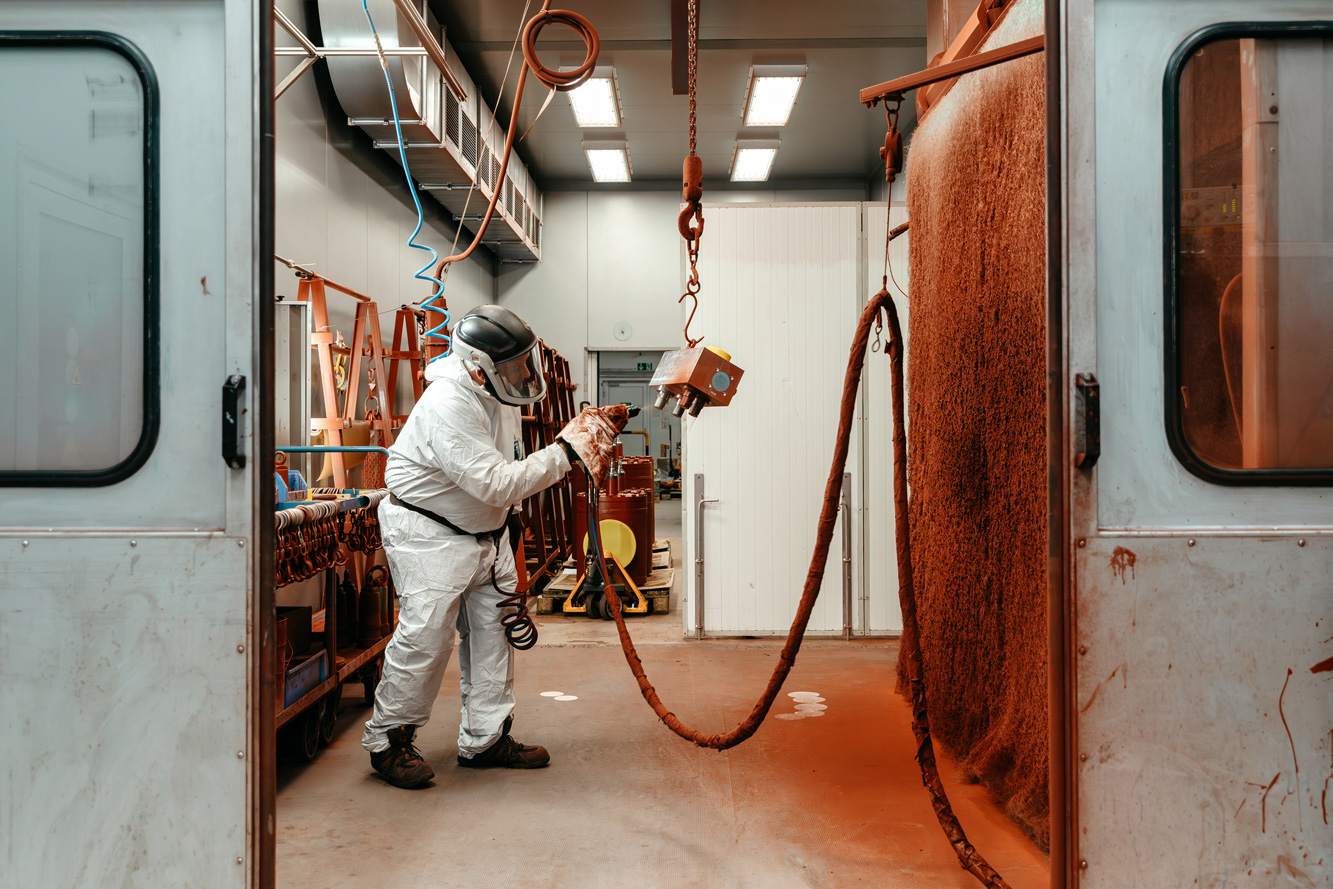
The welcome gift took on special significance following the fall of the Berlin Wall in 1989. As part of my photography project, I had in-depth conversations with the participants about how they perceived the gesture of the welcome gift. I got the impression that the gift of 100 DM elicited quite mixed reactions and feelings in many people. There was joy at being able to fulfill a small consumerist dream, but also feelings of shame, embarrassment, or even humiliation. In my view, the decision of what to buy with the money serves as a starting point for people’s projections and longings. Therefore, I decided to photograph not only the portraits but also the objects purchased with the money.


Examining these objects, decades later, fosters a new dialogue regarding East German cultural memory. It allows people to take stock, make sense of the past 36 years for themselves, and reflect on the very individual paths they have taken since the fall of the Berlin Wall. Furthermore, it offers insight into the emotional world of East Germans. There are studies and statistics on the economic and social consequences of the fall of the Berlin Wall. For me, however, it is more interesting to explore people’s personal perspectives. It is important to give the people who lived through the GDR and the fall of the Wall the space to tell their stories. This is where my work comes in. After World War II, the ’68 generation began to ask questions. It was the driving force behind the reckoning with the Nazi era.
Thirty-six years after the fall of the Berlin Wall, it is now up to my generation to initiate a process of coming to terms with the GDR era and to open up shared dialogues about the past. I was born in East Berlin in 1984 and belong to the generation of “Wende children.” I view engaging with the period of reunification not only as a way of coming to terms with my own life story, but also as a means of shaping the identity of East Germans themselves. In the spirit of a pan-German dialogue. Furthermore, works like these create a sense of connection because they revolve around personal stories. By listening to one another, sharing stories, understanding, and acknowledging each other, there is a chance that people will draw closer together again instead of drifting apart. And perhaps, in the end, something new will even emerge from this.